
The 2BCU Challenger League is an online fighting game league format developed by 2BeCommUnity to create a structured, recurring competition space between big offline majors and one‑off tournaments. It focuses on consistency, storylines, and player development rather than just single‑weekend results.
What is Challenger LEague?
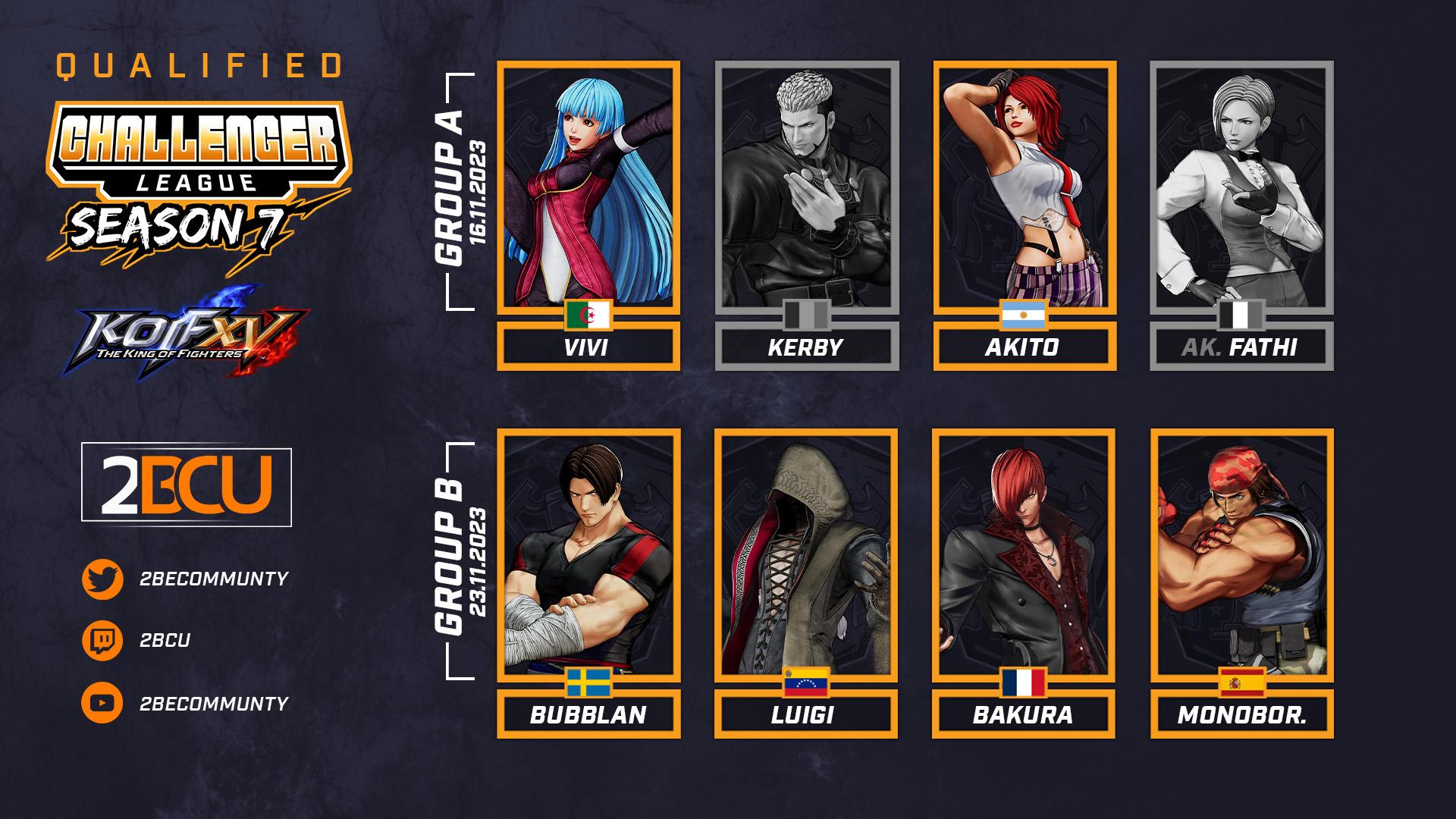
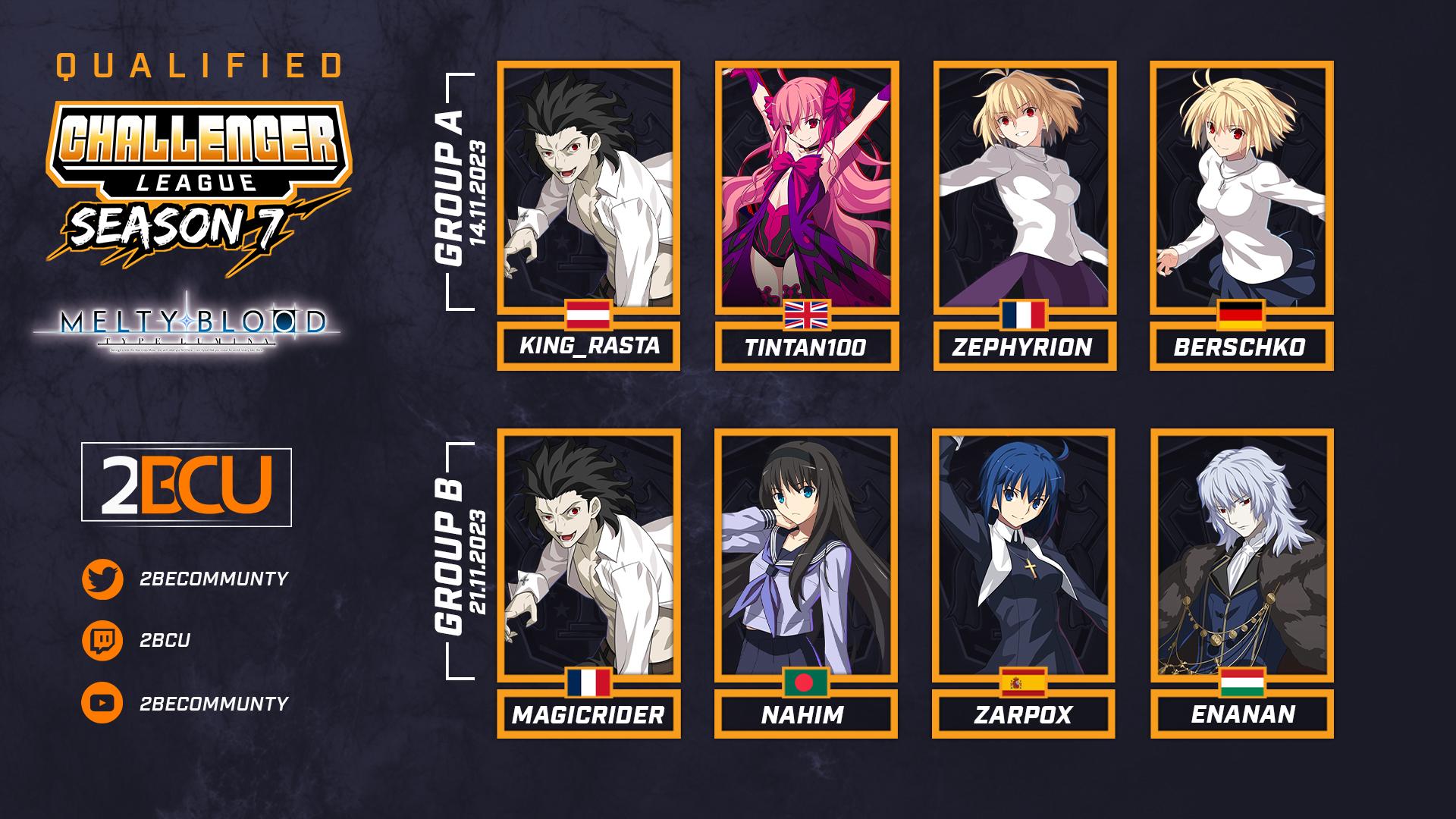
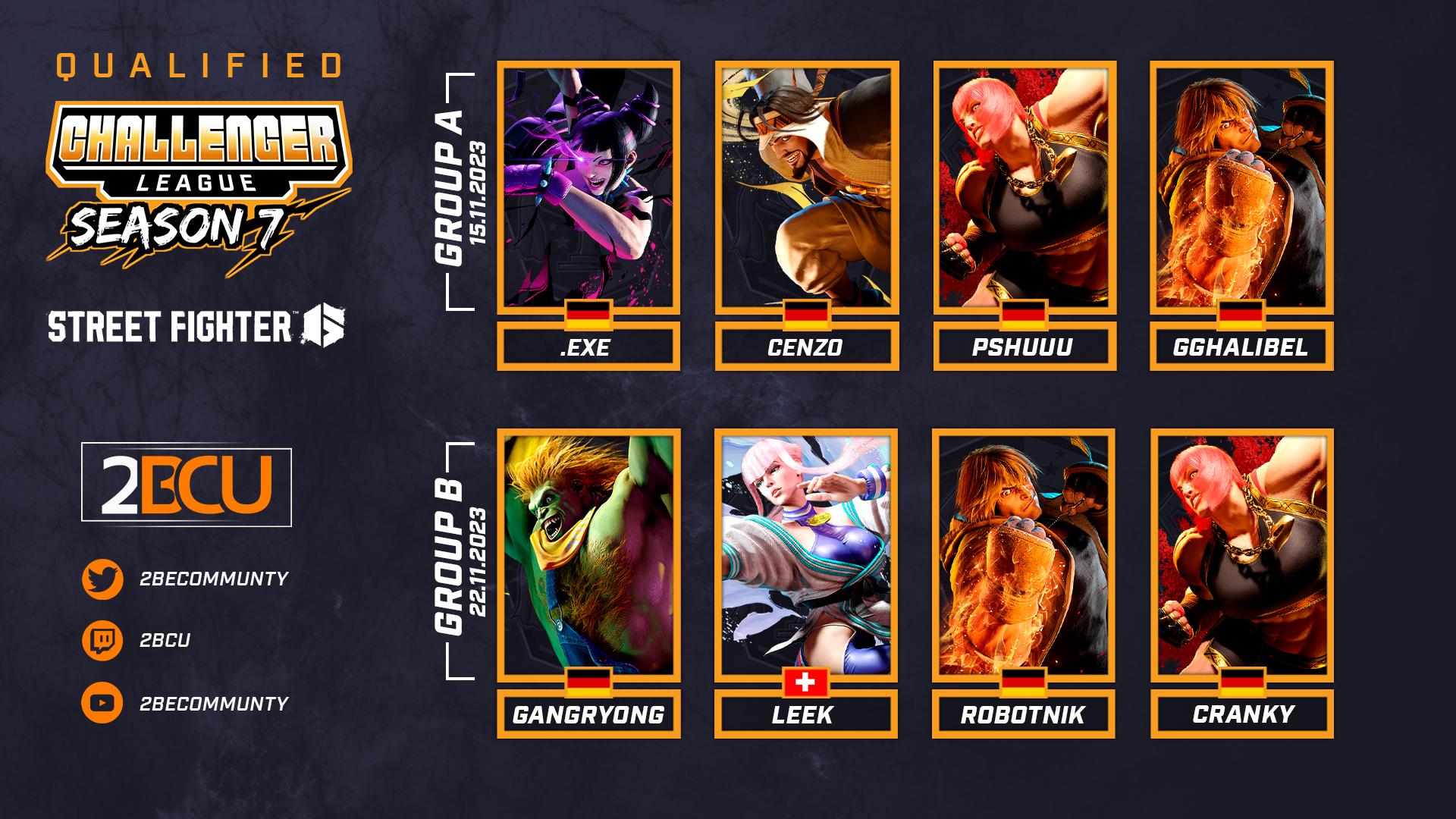
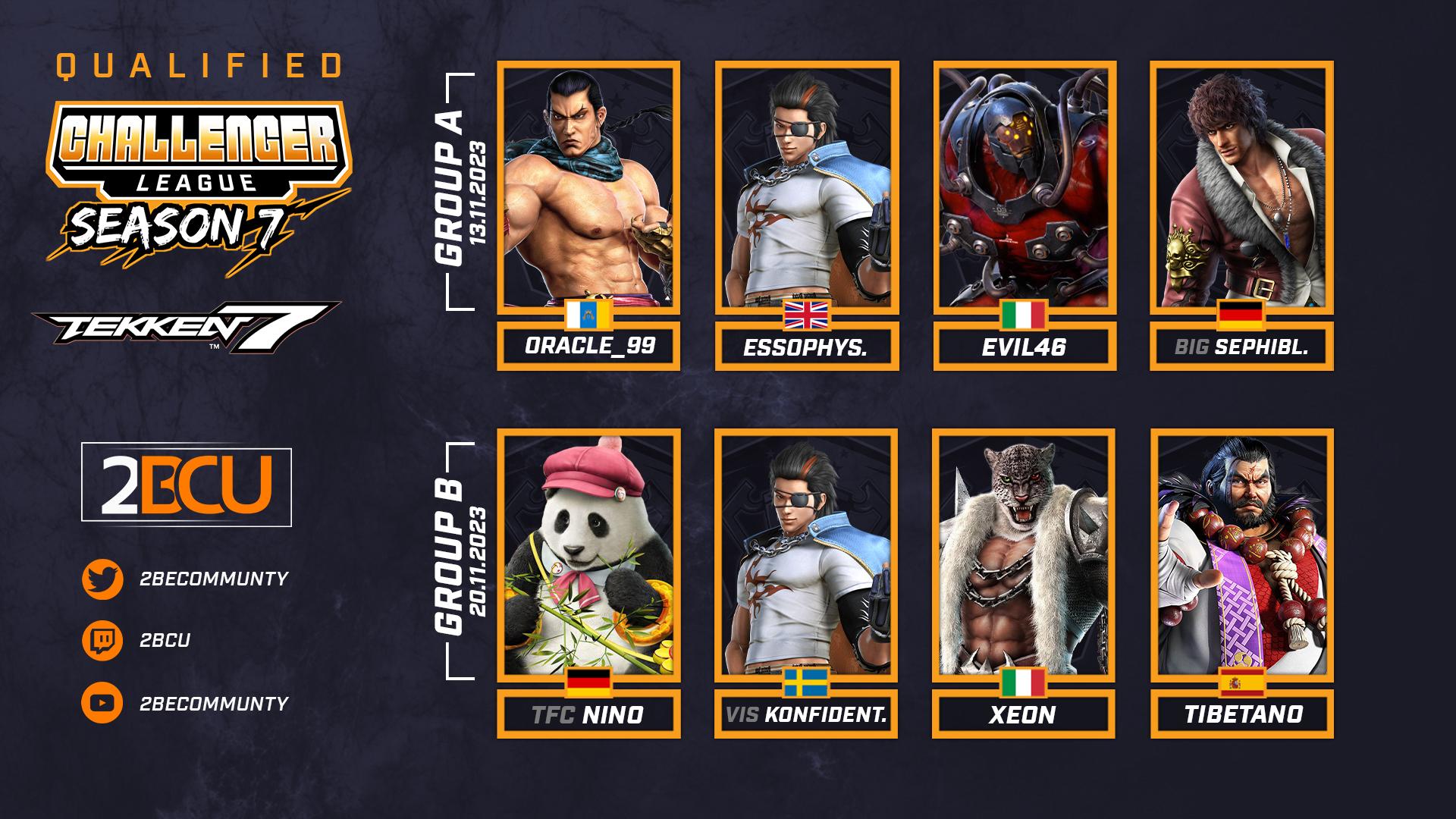
The Challenger League is a seasonal online league that runs across multiple weeks, featuring several fighting game titles in parallel (for example Street Fighter, Guilty Gear or King of Fighters, depending on the season). Players collect points week by week through regular brackets or round‑robin groups, with the best competitors qualifying for a final playoff stage or finale stream.
Each season follows a clear format with scheduled match days, stream coverage and commentary, plus rankings that are publicly updated so players and viewers can follow the race for playoffs. The league is designed to be accessible across Europe, giving players who cannot travel frequently a stable, competitive environment under tournament rules.
How did it start?
We got hit by the COVID pandemic in 2020, so Challenger League started as an answer to a simple problem in the European FGC: offline events are great, but when you can’t host offline events, you need to go online. Even after COVID they happen infrequently, and many players wanted regular, structured competition between big tournaments. 2BeCommUnity used its tournament‑organizing experience to translate classic offline bracket logic into a weekly online league format.
Initially launched with a small set of games and a relatively modest player base, the league grew season by season as more communities joined, formats were refined and production quality improved. Over time, it evolved from “just another online tournament” into a multi‑season project with returning players, recognizable names and a clear identity of its own.
Why is it so beloved?
The 2BCU Challenger League is beloved because it offers stability, visibility and community in a single package. Players know they can rely on a well‑organized league with fixed schedules, clear rules and fair brackets, which makes it easy to integrate into their practice routine and daily life.
At the same time, the league builds narratives: rivalries over several weeks, underdog runs, character specialists and regional pride all become part of an ongoing story instead of a one‑weekend result that is quickly forgotten. For many in the FGC, Challenger League is where they first appear on stream, earn their first notable placements and become part of a recurring community circle, which gives the project a strong emotional connection far beyond pure competition.